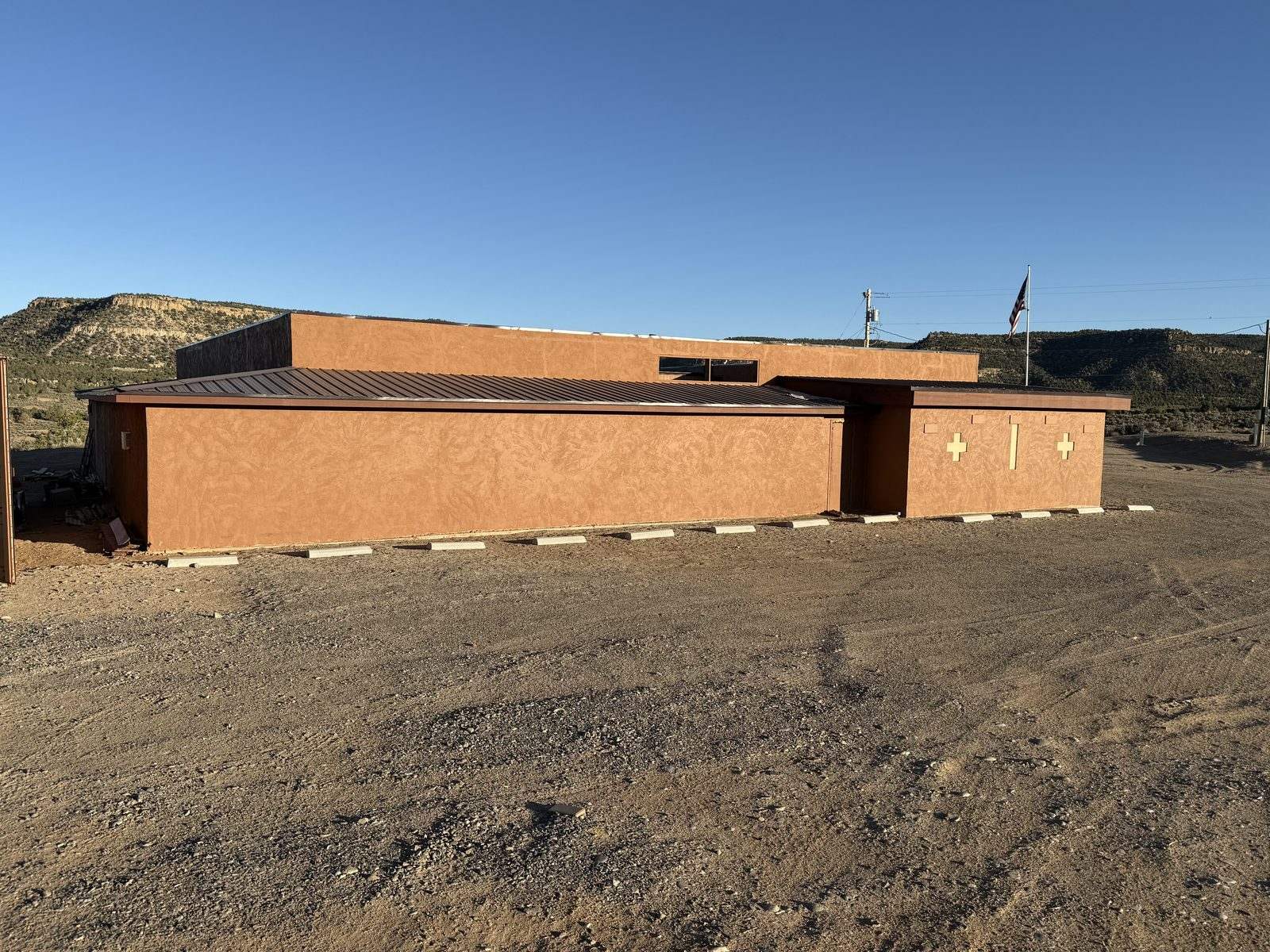
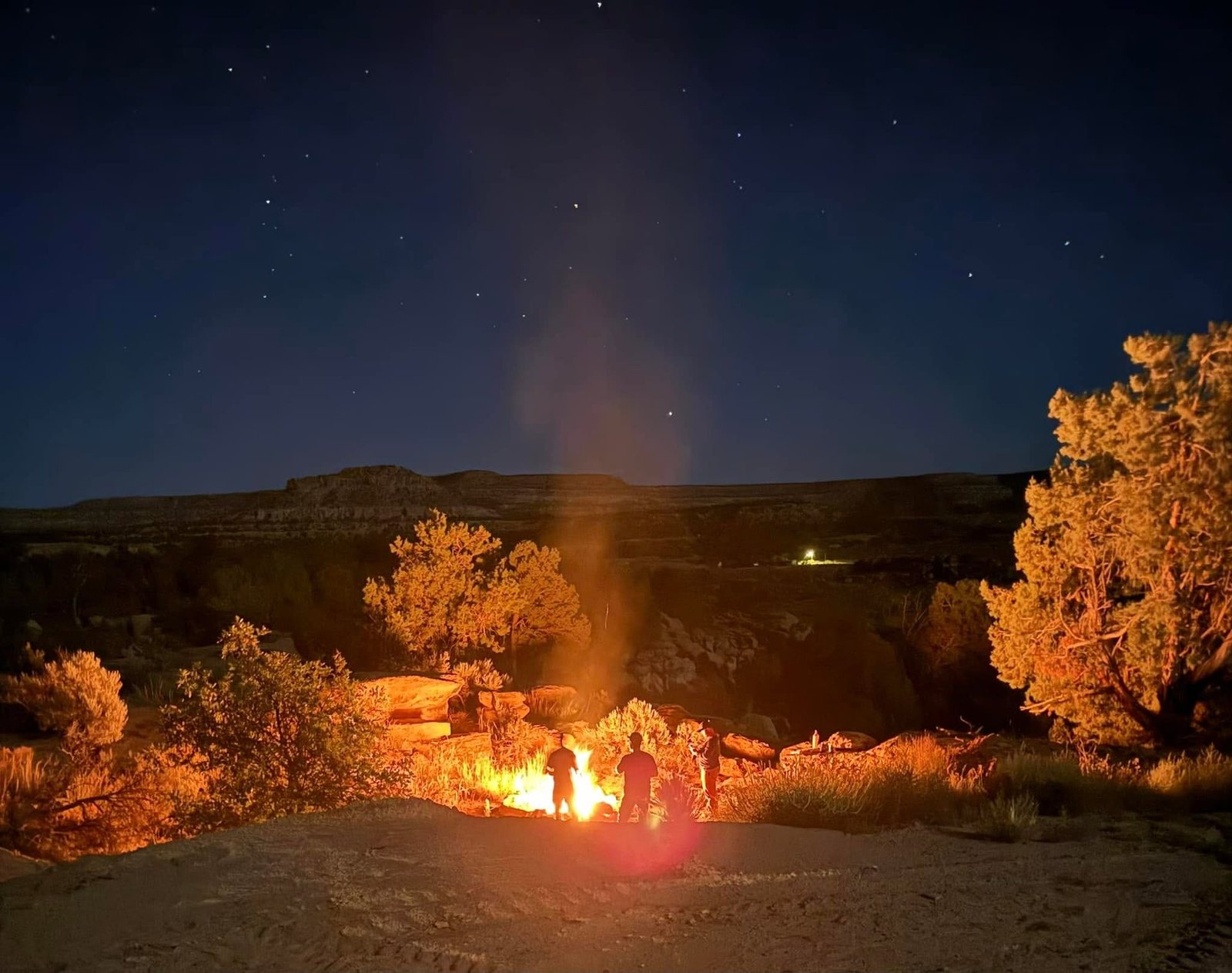
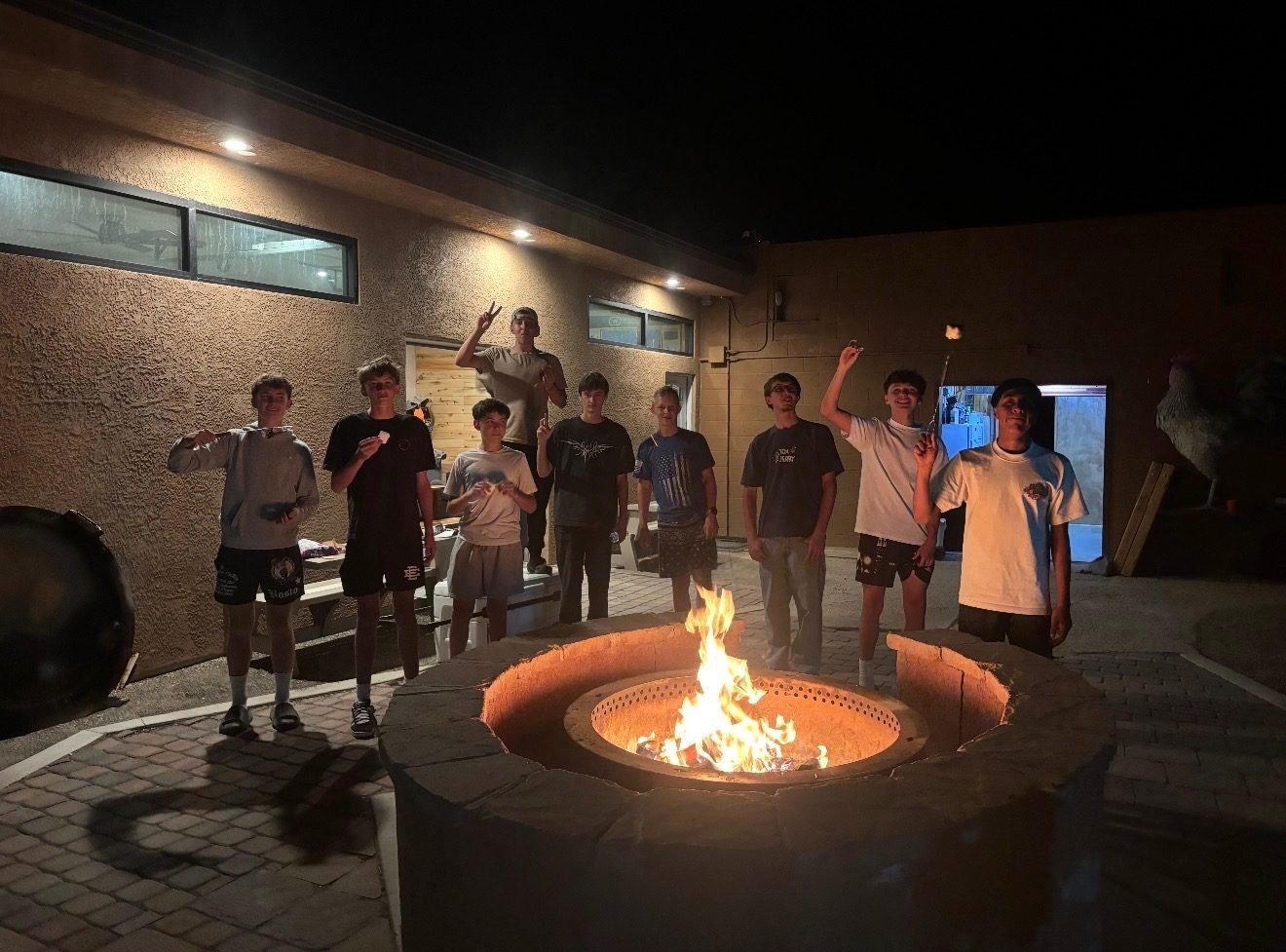
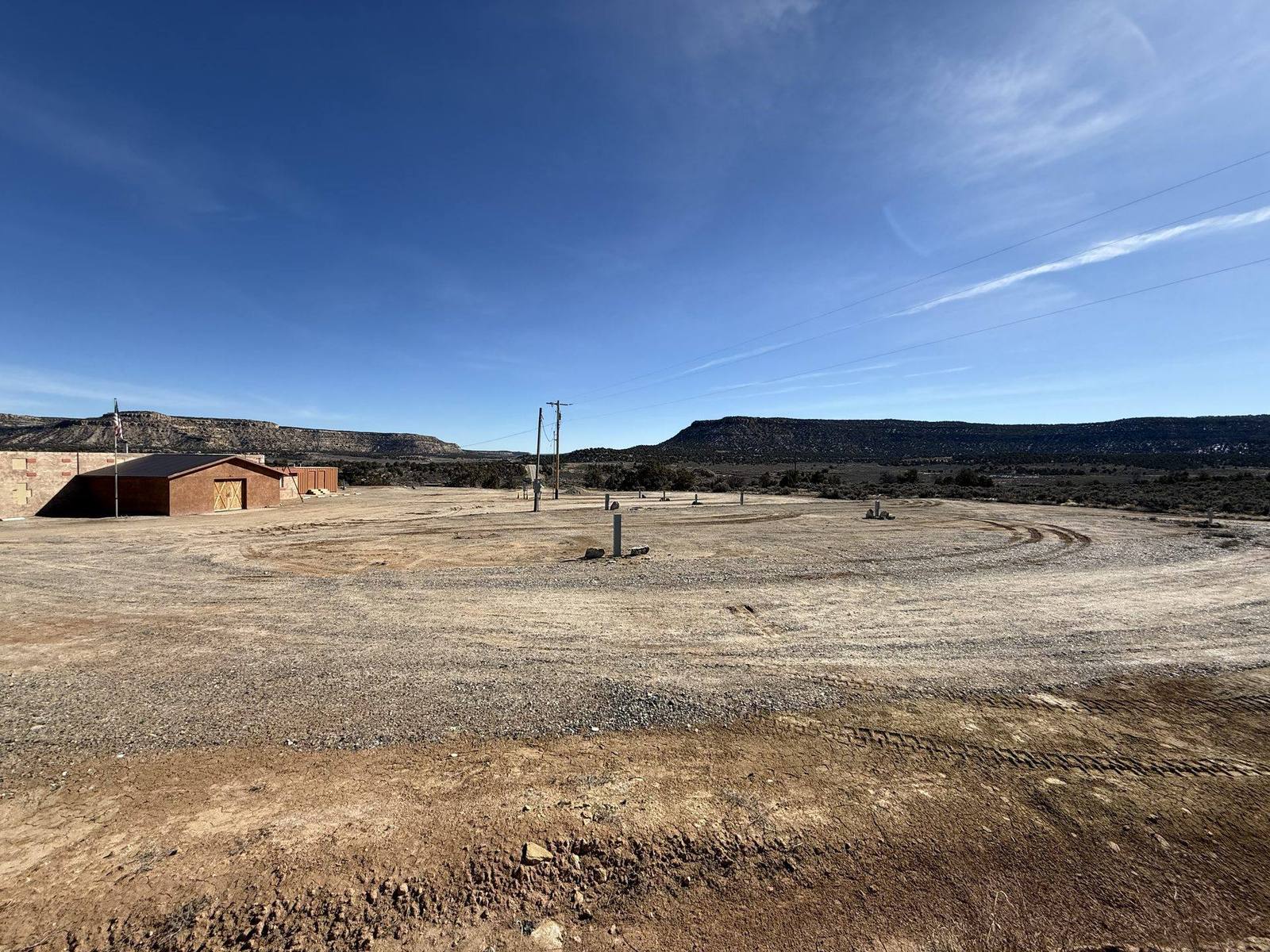
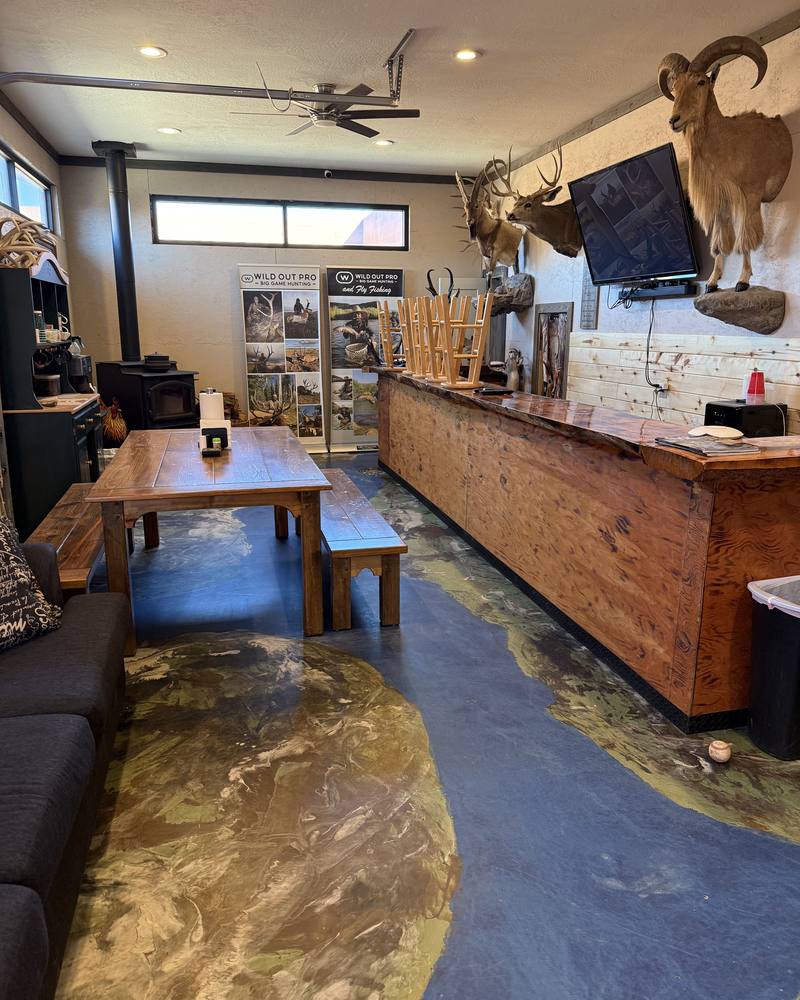
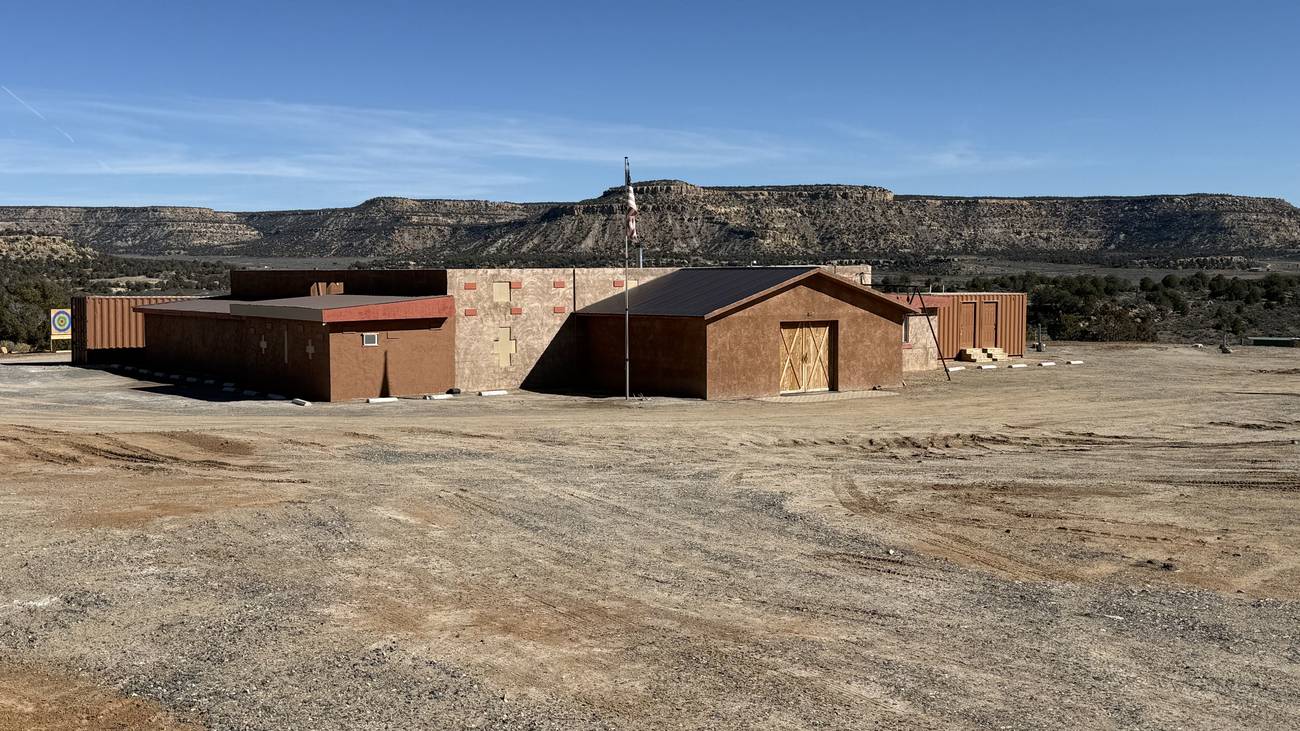
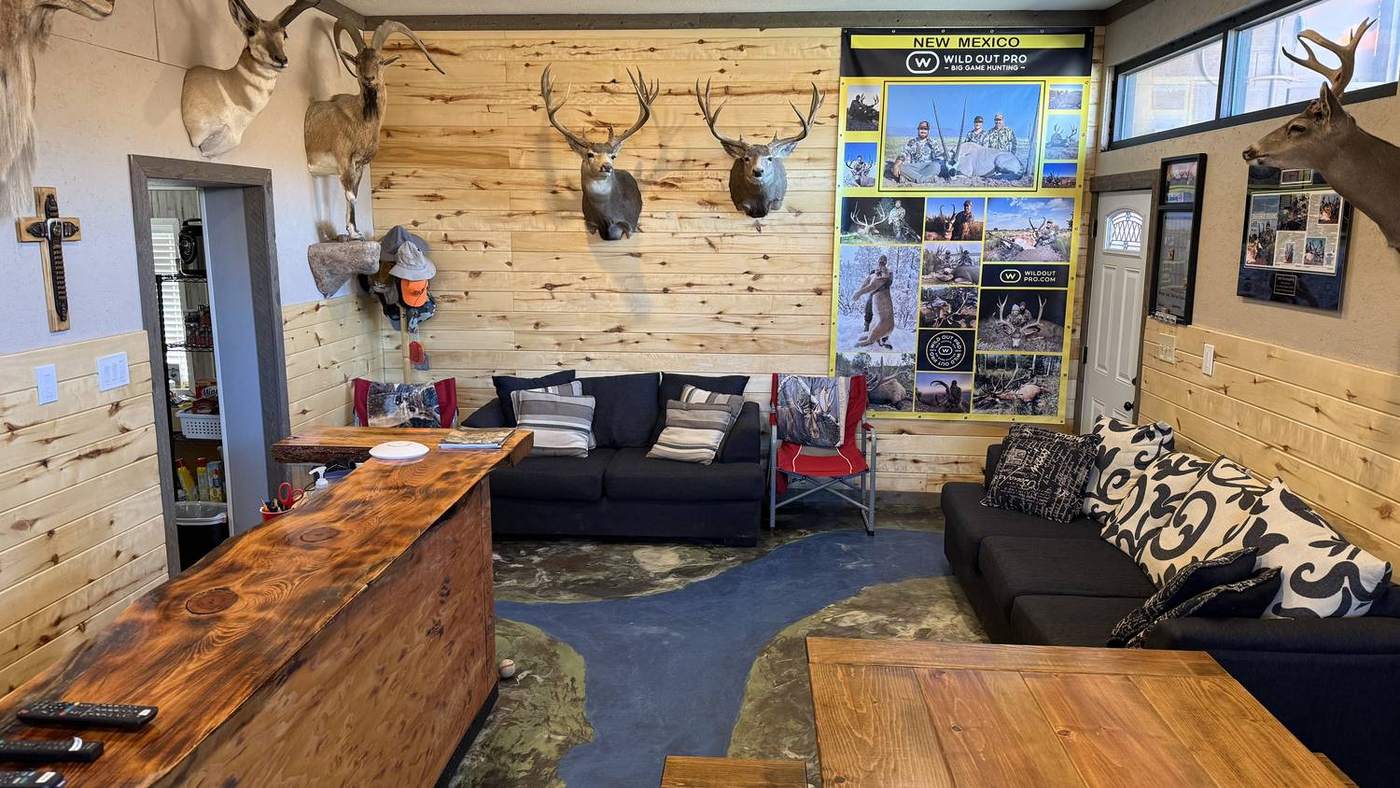
Eight rooms, RV hookups and room for 22 guests. A comfortable, welcoming base for individuals, groups and families.
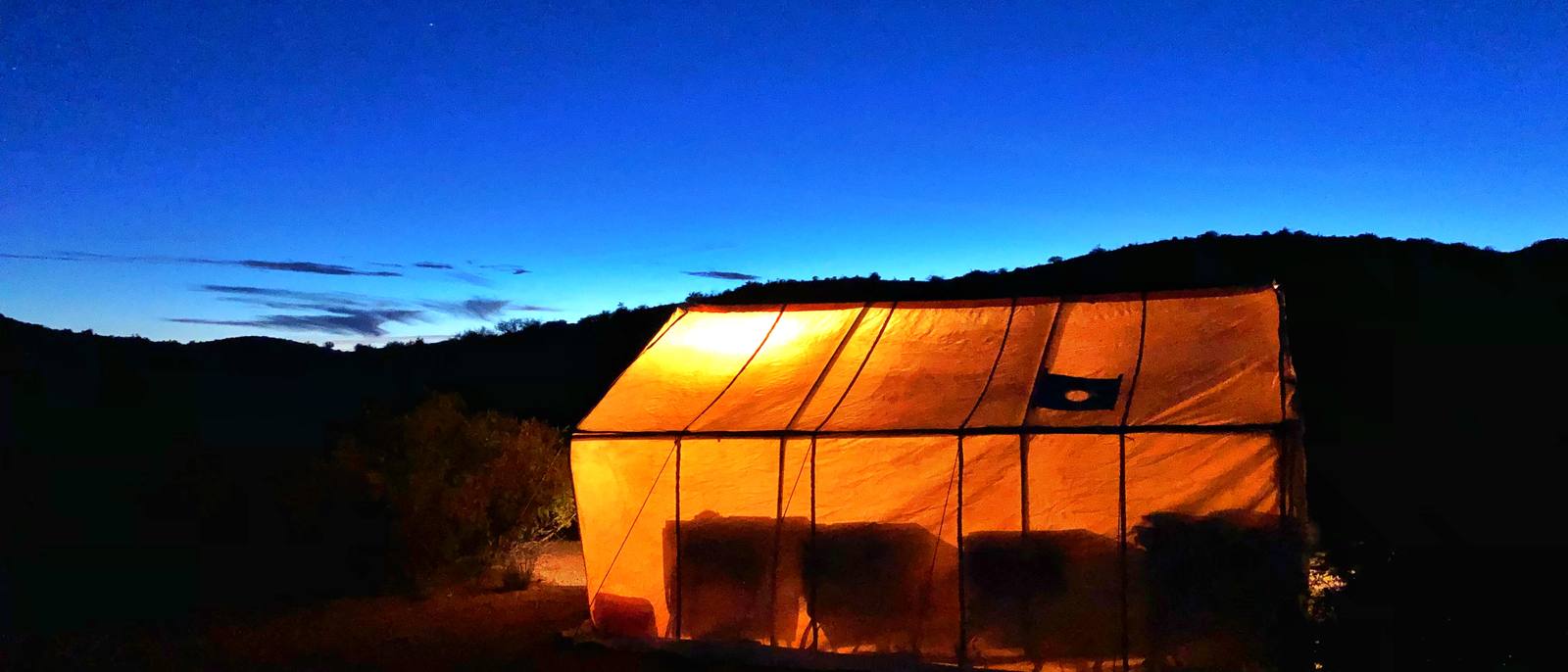
We offer a wide range of lodging options to meet every preference, from remote spike camps and wall tents to campers, hotels, and our private lodge known as The Cockhouse.
Our lodge provides a comfortable and welcoming base with eight rooms, RV hookups, and the capacity to accommodate up to 22 guests, making it ideal for individuals, groups, and families.
Whether you are seeking a rugged backcountry adventure or a more comfortable, fully supported hunt, we are committed to delivering exceptional service, expert guidance, and an unforgettable New Mexico outdoor experience.
Come and stay at the lodge to hang out and relax with your hunter or fisherman while they are on their guided trip. Call +1 505-330-9776 for RV spot availability.
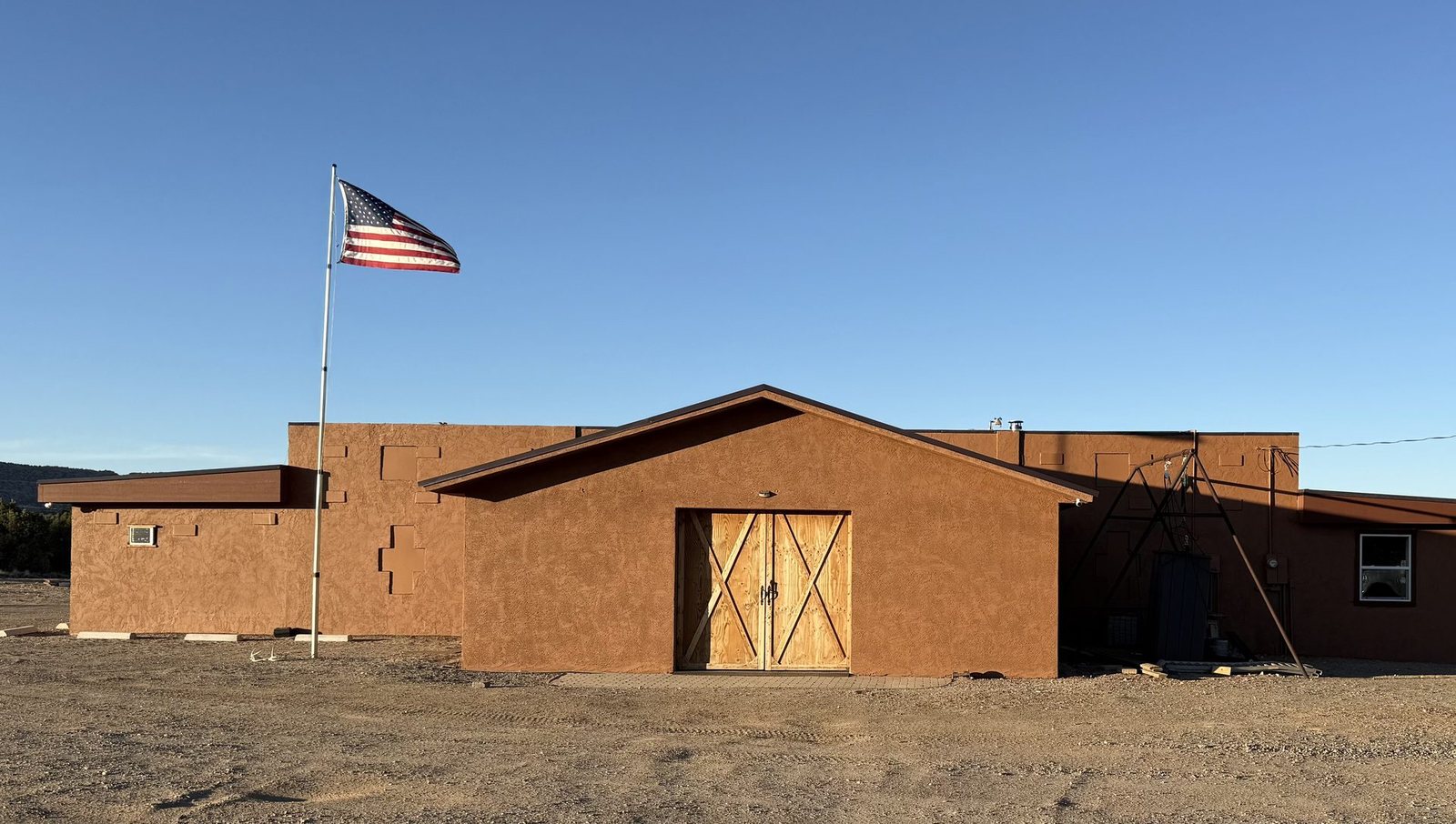
Before The Cockhouse was a hunting lodge, the ground it sits on had a different kind of fight in it. Locals say the property was once a cockfighting arena, part of a rural New Mexico tradition that ran back generations.
New Mexico held onto the sport longer than almost anywhere in the country. It was the 49th state to ban it, finally outlawing cockfighting in 2007. Around San Juan County the local arenas were where ranch hands, oilfield crews and their families gathered on the weekend, and the fighting rooster stood for grit and plain toughness.
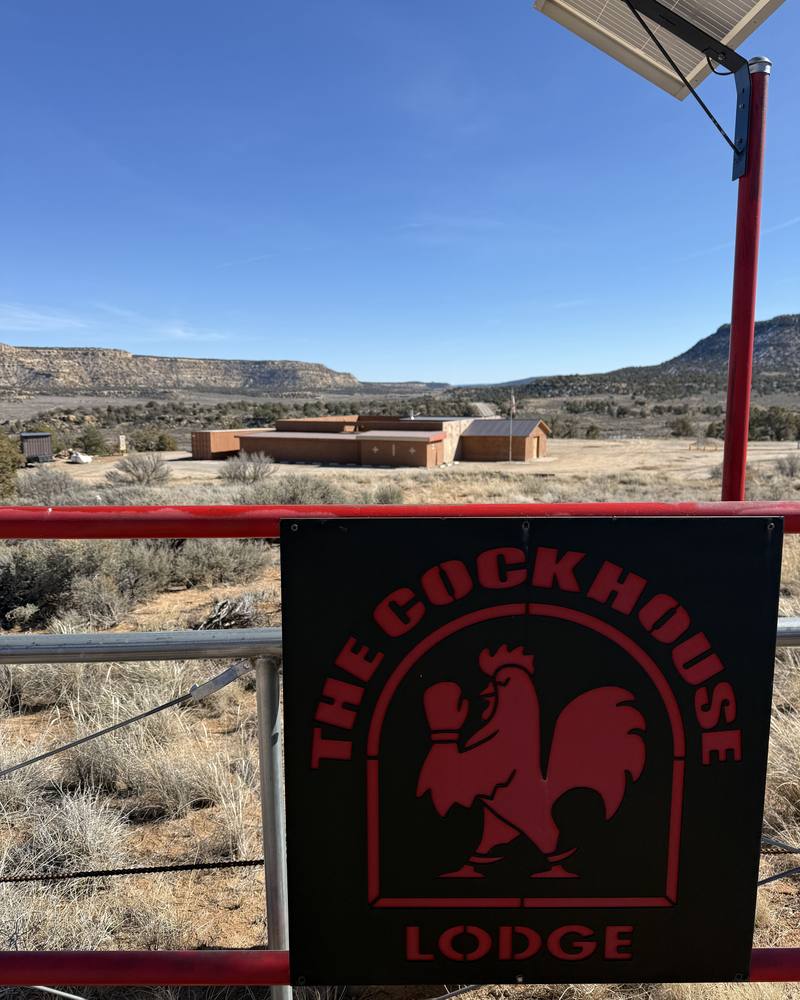
When Derek Martin and Wild Out Pro took over the property, they kept that story instead of painting over it. The name stuck, and so did the logo: a rooster in boxing gloves standing in an archway. These days that same fighting spirit goes into chasing trophy game.
The lodge sits outside Blanco at about 5,568 feet on the Colorado Plateau, roughly 20 miles east of Farmington. People have lived in this basin for more than a thousand years. Ancestral Puebloans built great houses and kivas here, and Chaco Canyon lies off to the southeast. Ranching families homesteaded the cedar and sage in the late 1800s, then oil and gas remade the whole region in the early 1900s.